
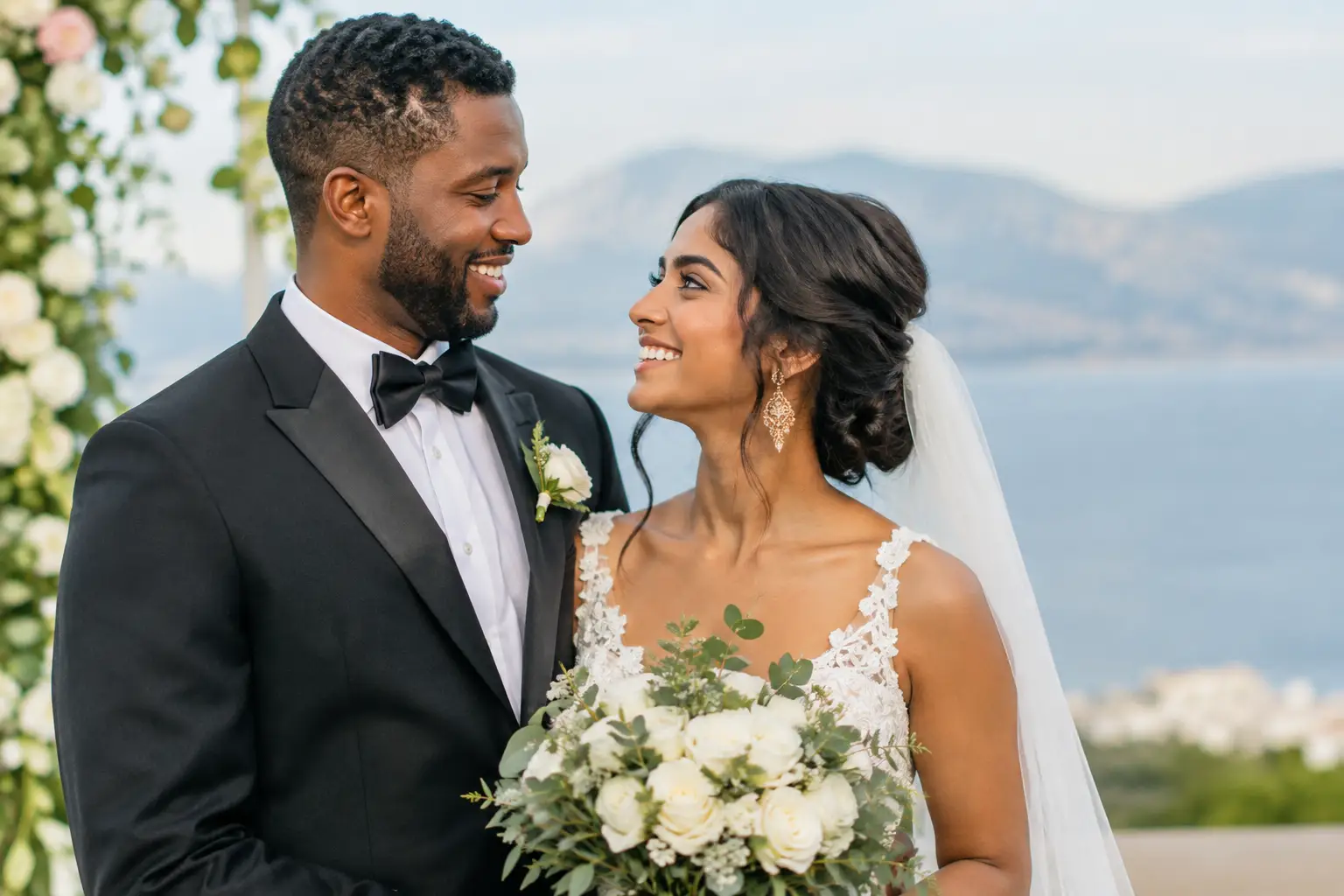
Two families. Two meaningful cultural histories. One wedding day that needed to feel personal to everyone in the room.
This multicultural wedding case study follows a representative Greater Toronto Area celebration where thoughtful planning turned a full day of traditions, speeches, music, and dining into one warm, beautifully connected experience. Names and a few details have been adjusted for privacy, but the planning approach reflects the real questions many couples and families bring to their first consultation.
The couple wanted a romantic ceremony and elegant reception, while their families hoped to include customs that had shaped generations before them. Their goal was not to divide the wedding into separate cultural moments. They wanted every guest to feel they had been welcomed into the complete story of their marriage.
The Celebration and the Planning Challenge
The couple planned a 220-guest wedding that brought together South Asian and Italian family traditions. Some guests were eager for a vibrant pre-reception welcome and a late-night dance floor. Others placed special value on a formal ceremony, a relaxed cocktail hour, and a generous seated meal shared at unhurried tables.
Neither vision was difficult on its own. The challenge was creating a natural rhythm between them. A packed schedule can make important customs feel rushed, while too much open time can leave guests uncertain about what is happening next. The planning team began by identifying what was non-negotiable for the couple and their parents: family blessings, meaningful entrances, a full dinner service, time for photographs, and dancing that could carry the celebration into the evening.
Rather than asking the couple to choose one tradition over another, the event was designed around transitions. Each part of the day was given its own moment, with enough time for guests to participate, connect, and enjoy the experience.
Starting With the Ceremony
The ceremony was held in an elegant indoor setting, allowing guests of all ages to arrive comfortably and remain together regardless of the weather. The couple chose a ceremony structure that honored both families, including readings from loved ones and a blessing led by respected family members.
A short printed program explained the significance of a few traditions for guests who were unfamiliar with them. This small detail made a genuine difference. No one needed to feel like an observer at someone else’s celebration. Guests could understand the meaning behind each moment and respond with greater warmth.
The ceremony itself was kept focused. The couple did not attempt to include every possible ritual. They chose the customs that held the deepest meaning and protected time afterward for congratulations, photographs, and a relaxed transition to cocktail hour.
A Multicultural Wedding Case Study in Thoughtful Details
The success of this celebration came from decisions that felt modest during planning but became memorable on the day.
A Menu That Invited Conversation
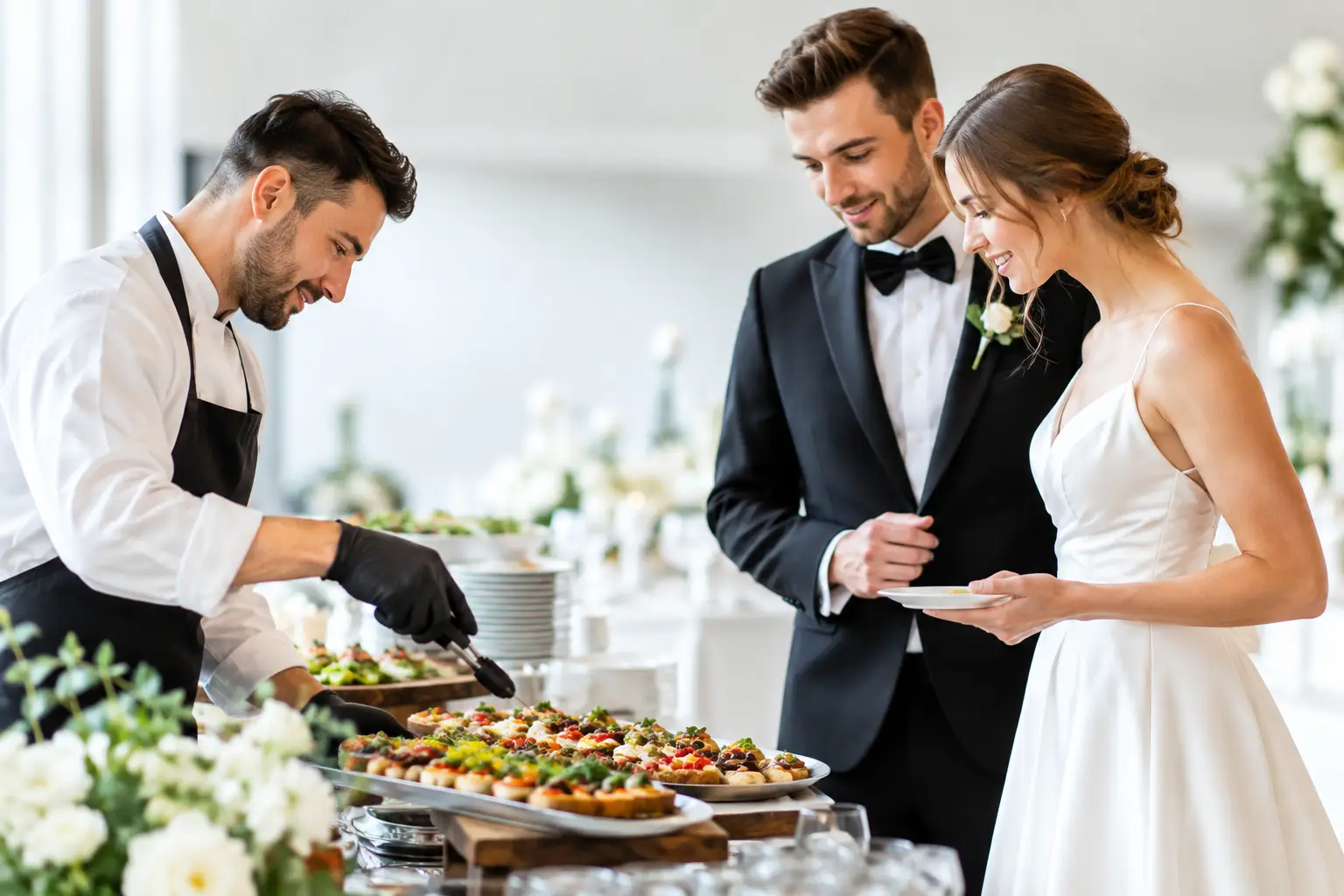
Food was one of the most important ways the two families hoped to welcome their guests. Instead of treating the menu as a compromise, they approached it as an invitation. Cocktail hour included familiar favorites from both cultures alongside refined passed appetizers that suited the formal setting. For dinner, the couple selected a service style that felt celebratory and plentiful, with vegetarian options considered from the beginning rather than added as an afterthought.
The menu did not need to represent every dish either family had ever loved. It needed to be delicious, generous, and thoughtfully balanced. Clear conversations with the in-house catering team helped the couple consider spice preferences, dietary needs, timing between courses, and how the meal would support the evening’s pace.
For families planning a culturally meaningful wedding, this is often the most useful mindset: select dishes that feel true to you, then build a menu that allows every guest to dine comfortably. A beautiful meal should make people feel cared for, not tested by unfamiliar choices.
One Room, Several Distinct Moods
The reception space needed to support a formal dinner, a few cultural performances, heartfelt speeches, and an energetic dance floor. The design team created a soft, romantic foundation with warm lighting, florals in ivory and blush, and elegant table settings. Personal elements were layered in through family photos, traditional textiles, and a welcome display that introduced the couple’s shared story.
This balance mattered. When every decorative element competes for attention, a room can lose its sense of calm. By choosing a unified color palette and adding cultural details with intention, the couple created a setting that felt polished without feeling generic.
The floor plan also received careful attention. Older relatives were seated where they could comfortably see the formal moments. The dance floor was close enough to create energy, yet tables retained space for conversation. A dedicated area for family photographs prevented a long line from forming near the guest tables. These practical choices made the evening feel effortless to guests, even though they were carefully planned behind the scenes.
Service That Kept the Day Moving
At a wedding with multiple traditions, timing is more than a schedule. It is a form of hospitality.
Before the event, the couple provided a detailed run of show that included entrances, performances, speeches, meal service, and family photo requests. The event team reviewed it with the couple and clarified who would cue each moment. This prevented the couple from having to answer logistical questions while greeting guests or enjoying their first meal together.
The service team also understood that a late-running entrance or an emotional family blessing should not automatically become a problem. A well-managed wedding allows room for real life. The team adjusted the pacing where needed, communicated discreetly with vendors, and kept guests comfortable with refreshments and clear direction.
That flexibility is especially valuable when a celebration includes traditions that cannot be measured precisely by the clock. Professional planning provides structure, but attentive hospitality gives the day its grace.
What This Couple Did Especially Well
The couple made several choices that helped their guests feel included from the first arrival to the final dance.
First, they began with meaning rather than logistics. Before choosing decor or finalizing music, they discussed which moments would make their parents proud, which customs they wanted to carry forward, and how they wanted guests to describe the wedding afterward. Those answers made later decisions easier.
Second, they gave family members meaningful roles without handing over the entire planning process. One relative helped select ceremony readings, while another shared input on menu traditions. The couple remained the final decision-makers, but loved ones could see themselves in the day.
Third, they communicated clearly. Their invitations, wedding website, and day-of signage gave guests useful information about timing, attire, and the style of celebration. Clear communication is a simple kindness, particularly when guests may be attending cultural traditions for the first time.
Finally, they allowed the celebration to evolve. A multicultural wedding does not need to follow a fixed formula. Some couples prefer separate events for each tradition. Others want a single blended celebration. The right choice depends on family expectations, budget, guest count, religious requirements, and, most importantly, what feels authentic to the couple.
Planning a Celebration That Feels Like Yours
A wedding that honors more than one culture does not need to carry the weight of representing every relative, every generation, or every expectation. It needs to reflect the people getting married and welcome the families who helped shape them.
Begin your planning conversations early, especially around ceremony customs, menu preferences, attire changes, and the timing of formal family moments. Ask your venue team what can happen comfortably within one space and where a little extra time or a revised room setup will make the guest experience better. The best plans leave room for tradition, but they also leave room for joy.
At Renaissance by the Creek, couples can bring their vision together with elegant event spaces, personalized planning support, diverse in-house catering, and attentive service under one roof. Book a venue tour with your partner and family, then start with one simple question: what do you want every guest to feel when they celebrate with you?

Leave A Comment