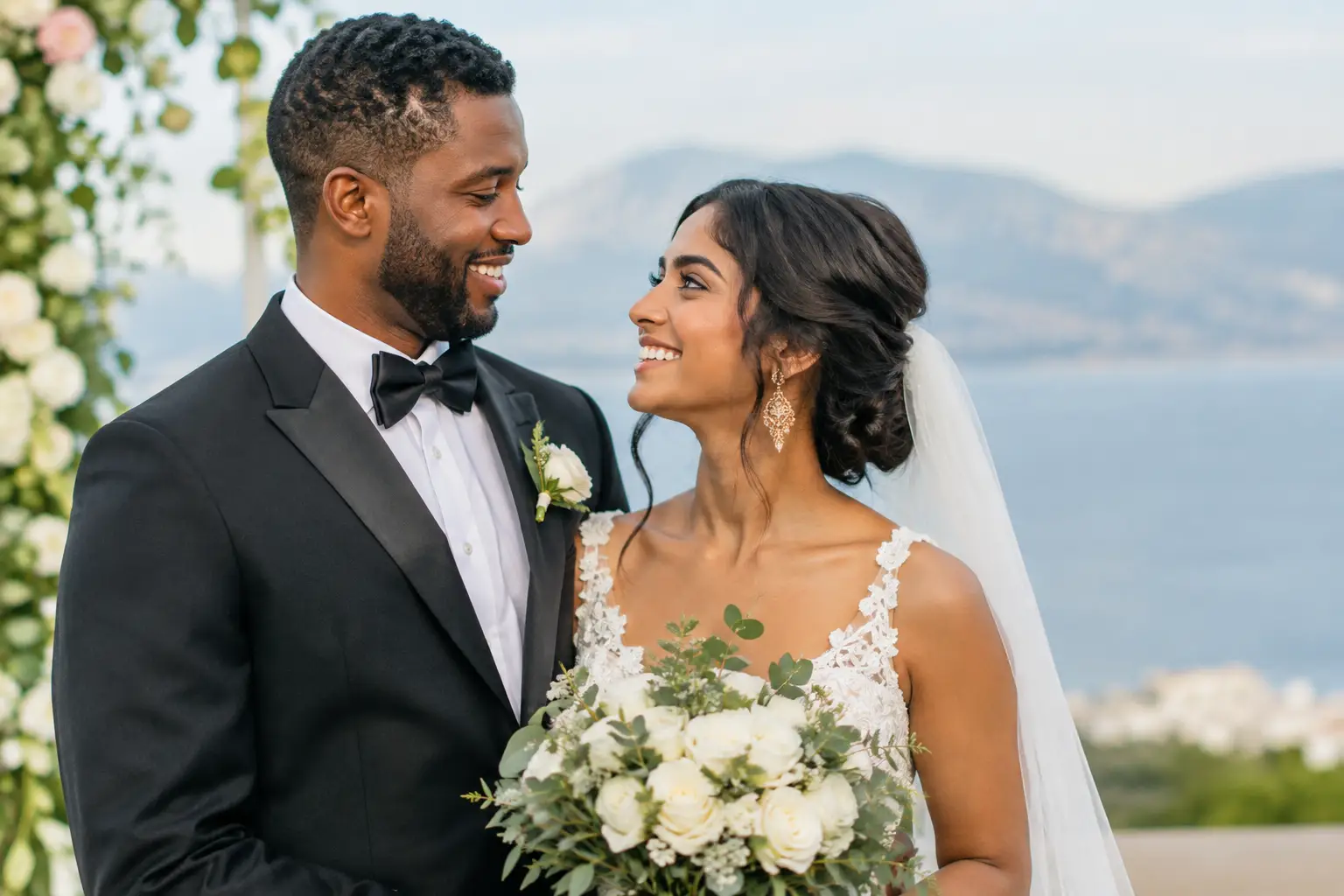
A wedding shaped by heritage deserves more than a beautiful room. It needs a setting where meaningful rituals, family traditions, joyful music, generous hospitality, and a full dance floor can come together with care. Choosing a cultural wedding banquet hall in Mississauga is about finding a team that understands that every detail carries meaning – from the timing of a ceremony to the dishes served at dinner and the way each generation is welcomed.
For many couples, the celebration is also a gathering of families, communities, and histories. The right venue makes space for all of it while offering the professional planning, elegant surroundings, and attentive service that allow you to be fully present for the moments you will remember most.
What Makes a Cultural Wedding Celebration Feel Personal
Cultural weddings are wonderfully varied. A single celebration may include a traditional ceremony, family blessings, symbolic entrances, costume changes, live entertainment, formal speeches, and a late-night meal. Some events unfold over several days, while others bring key traditions into one meaningful wedding day.
The goal is not to fit your traditions into a standard reception schedule. It is to create a celebration that feels true to you. That starts with a venue team willing to listen closely: Who needs to be involved in planning? Which customs must happen at a specific time? Are there ceremonial items that need a private, secure place before the event begins? Will the room need to change from ceremony seating to a reception layout?
A thoughtful banquet hall will ask these questions early. It will also recognize that family members may have different priorities than the couple, and that clear planning helps everyone feel confident in the day ahead.
How to Choose a Cultural Wedding Banquet Hall in Mississauga
Mississauga and the Greater Toronto Area are home to families with rich and diverse wedding traditions. That gives couples many venue options, but a lovely first impression should be followed by practical questions. The most fitting venue is one that supports both the feeling and the flow of your celebration.
Look for flexible, elegant event spaces
Your guest count matters, but so does the way guests will use the room. Consider whether there is enough room for a ceremony, cocktail reception, dinner service, dancing, entertainment, and any traditions that require open floor space. A grand entrance, family procession, choreographed dance, or ceremonial circle should feel natural, not squeezed between tables.
Ask to see the space set for an event similar in size to yours. A room that feels warm and lively for 150 guests may feel very different with 300 guests. Your venue coordinator can help you consider seating arrangements, a head table or sweetheart table, staging, dance floor placement, and sightlines for important moments.
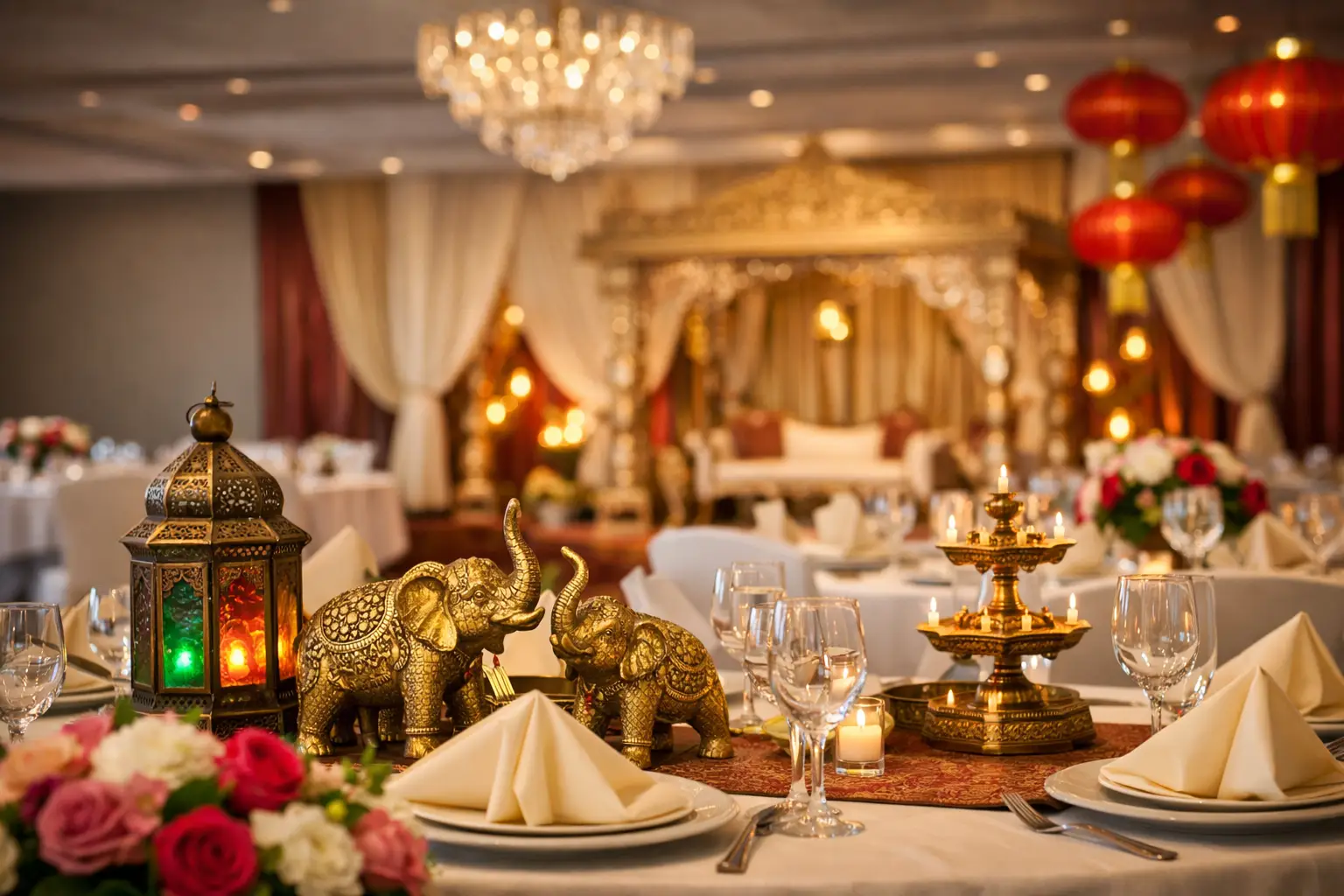
Elegant interiors also give your celebration a polished foundation. When the room already feels special, your florals, linens, cultural décor, and personal touches can enhance the atmosphere without requiring an excessive amount of decoration.
Discuss your schedule before signing
A traditional wedding timeline may not follow the familiar ceremony-cocktails-dinner format. You may need time for a tea ceremony, religious observance, family photos, outfit changes, or several entrances. You may also want a longer reception, especially when dinner, dancing, and late-night hospitality are all part of the experience.
Share your full vision during the consultation, including the moments that happen before guests arrive. The right event team can identify where extra setup time, a private suite, or a revised room layout may be helpful. It is far easier to build those needs into the plan than to solve them during the final week.
There can be trade-offs. A more elaborate room transformation may require additional labor or a longer rental window. A packed entertainment schedule may mean adjusting meal service. An experienced venue team will explain these considerations clearly and help you prioritize the moments that matter most.
Make catering part of the conversation
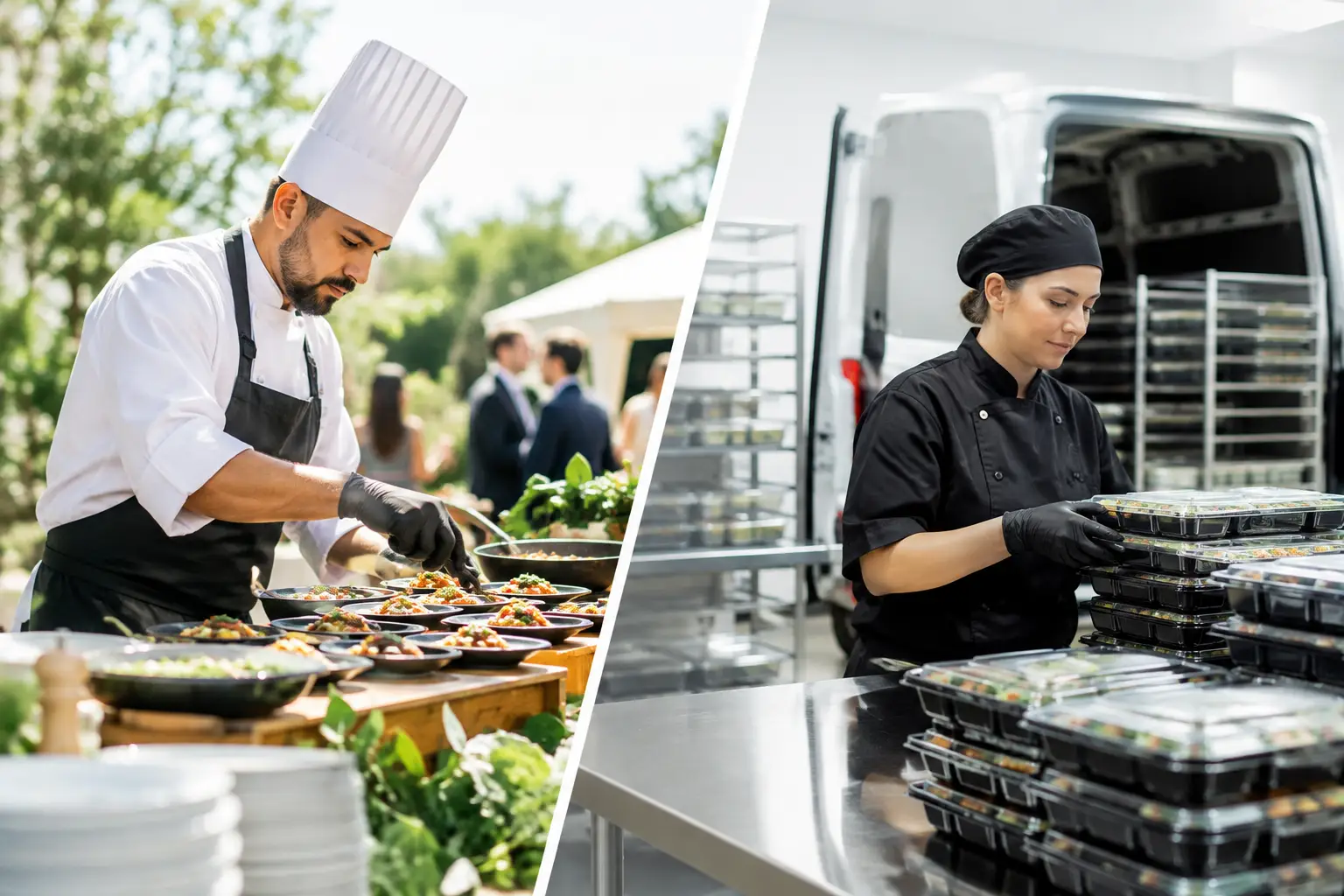
Food is often one of the most heartfelt expressions of culture at a wedding. It is how families welcome guests, honor elders, and share flavors that carry memories. For this reason, menu planning should feel personal rather than purely logistical.
Ask about the flexibility of in-house catering, menu customization, dietary accommodations, and service style. A plated dinner offers an elegant, timed experience, while family-style or buffet service may better reflect the warmth and abundance of certain celebrations. Late-night stations can also be a meaningful way to keep guests energized after hours of dancing.
It is helpful to speak openly about the dishes and flavors that are important to your family. A professional culinary and event team can guide you toward a menu that feels generous, beautifully presented, and well coordinated with the pace of the evening. Schedule a tasting whenever possible. It is one of the best opportunities to make confident decisions together.
Ask how the venue supports traditions and vendors
Some weddings include ceremonial décor, specialty performers, cultural musicians, a DJ with a particular sound system, or vendors who need early access to the space. Others involve décor installations, custom backdrops, or family members bringing meaningful items from home.
Before booking, ask about vendor arrival times, loading access, setup guidelines, insurance requirements, and the venue’s approach to décor. If you are planning traditions involving candles, food displays, ceremonial seating, or specific music cues, discuss them in detail. Clear communication protects the atmosphere you are creating and helps the day run with grace.
A capable coordinator does not need to claim expertise in every tradition. What matters is respectful curiosity, careful organization, and the confidence to coordinate the details with your family and chosen vendors.
Planning for Every Generation of Guests
A cultural wedding often brings together guests of all ages, from young children to grandparents and cherished elders. Comfort is part of hospitality. Think about accessible entrances, convenient restrooms, comfortable seating, and a clear plan for guests who may arrive early or need assistance moving between parts of the celebration.
Consider language, too. If some family members are more comfortable in another language, printed programs, signage, or a bilingual emcee can help everyone feel included. Small gestures, such as reserving seating for elders or ensuring that a family member knows the event timeline, can make a meaningful difference.
Photography deserves special thought as well. Create time for formal family portraits without allowing them to take over the celebration. A well-organized photo list and a designated family helper can keep everyone moving while preserving the warm, unhurried feeling you want for the day.
The Value of Full-Service Support
When your ceremony, reception, catering, and service are coordinated under one roof, the planning process can feel far more manageable. Instead of coordinating separate spaces, caterers, timelines, and points of contact, you have one experienced team helping the pieces work together.
At Renaissance by the Creek, couples are welcomed with personalized planning, elegant indoor spaces, diverse in-house catering, and warm, attentive hospitality. From your first venue tour through the final toast, the focus is on bringing your vision to life while helping your family feel genuinely cared for.
That support is especially valuable when a celebration has many moving parts. Your event team can help shape a realistic timeline, coordinate room transitions, plan service around key traditions, and keep the evening moving smoothly behind the scenes. The result is not a generic wedding experience. It is a celebration with room for your story.
Questions to Bring to Your Venue Tour
A venue tour is your opportunity to picture the day in real time. Along with asking about availability and pricing, ask how the team would accommodate your ceremony and reception schedule, whether the room can support your entertainment and dance floor, and how catering can reflect your preferences. Ask where vendors will enter, where personal or ceremonial items can be stored, and who will be your primary point of contact on the wedding day.
Pay attention to how the answers make you feel. You should leave with a clearer sense of what is possible, not more uncertainty. The best venue partners are organized and reassuring, but they also make room for the personal details that cannot be placed on a checklist.
Your wedding is an opportunity to celebrate love in the language, flavors, music, and traditions that have shaped your family. Book a venue tour, share the moments that matter most, and begin creating a celebration where every guest feels the warmth of your welcome.